Why Bobtail Insurance Claims Often Get Denied: What Truckers Need to Know
Jan 26, 2026 in Insurance 101If you're an owner-operator, you've probably heard the term "bobtail insurance" thrown around. You might even have a policy you believe protects you. But here's the harsh reality: many truckers are shocked when their bobtail insurance denies their claim. Understanding why this happens could save you from financial devastation.
What Does "Bobtail" Really Mean?
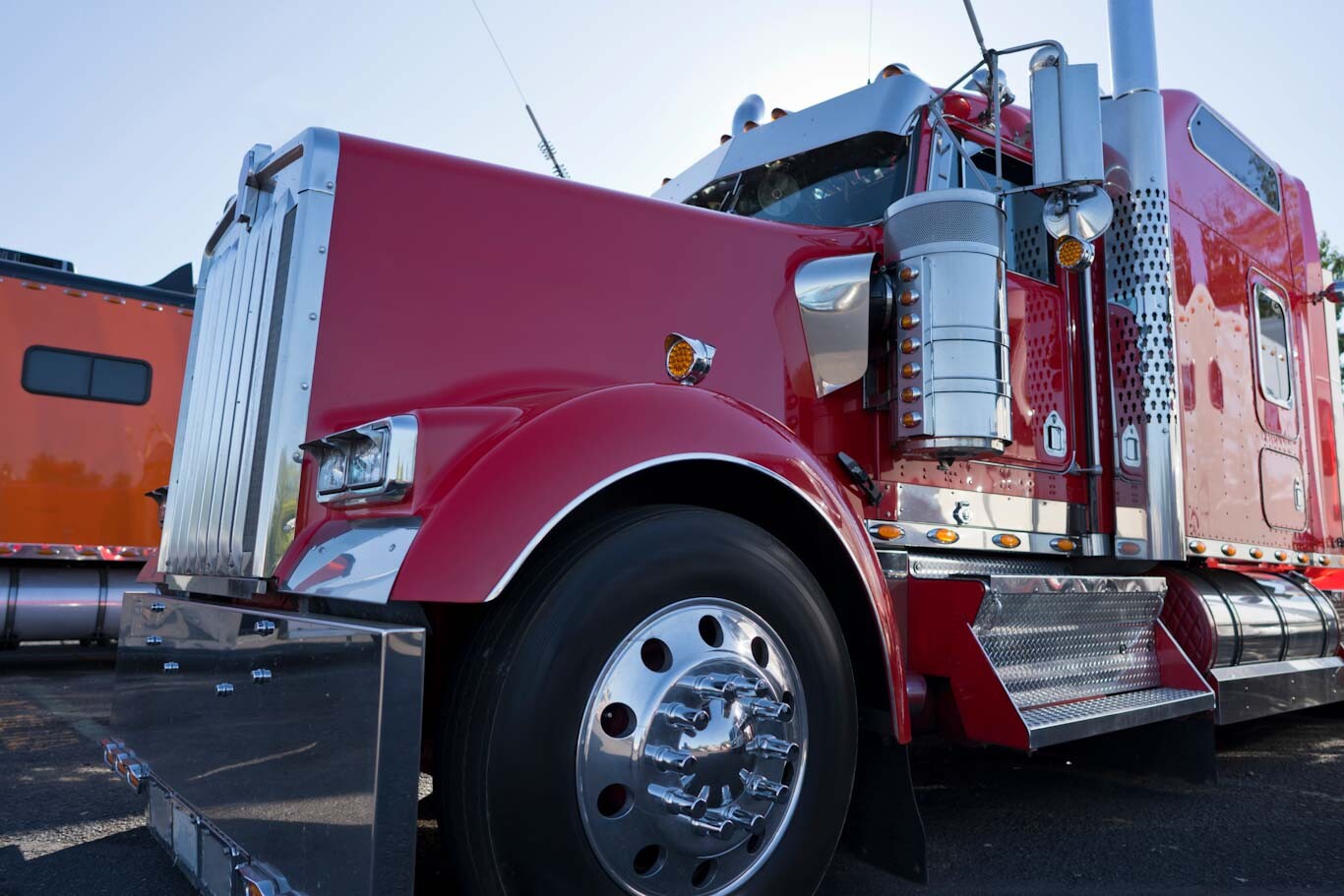
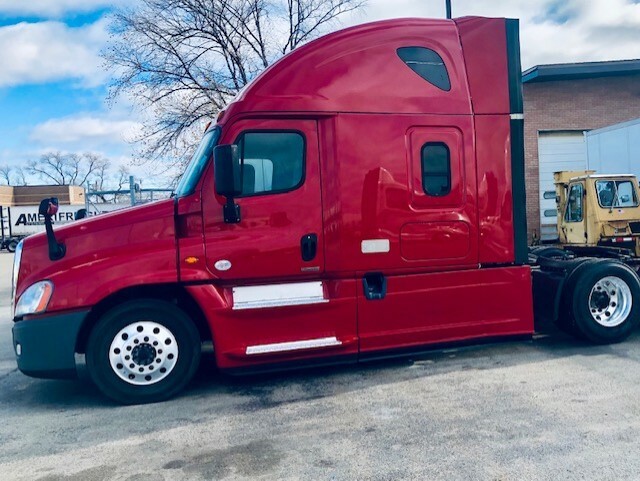
Bobtailing refers to driving a truck without a trailer attached. Simple enough, right? But in the insurance world, the term "bobtail insurance" has become confusing because it's used to describe different types of policy coverage. This confusion is exactly why so many claims get denied.
The Coverage Most Truckers Actually Have
The most commonly sold "bobtail" policy is actually non-trucking liability insurance. While these policies aren't standardized and coverage varies between insurers, non-trucking liability policies have one critical limitation: they only cover the liability of the owner for personal use of the truck.
Here's the problem: trucks are almost never driven for personal use. The vast majority of liability claims arise from operating the truck for business purposes or for the benefit of the motor carrier—and these claims get denied under non-trucking liability policies.
Common Situations That Get Denied
Many truckers mistakenly believe their bobtail insurance covers these everyday scenarios:
Driving to and from a job to the parking lot
You finish your delivery and drive to your parking spot for the night. You think you're covered by your bobtail policy. Wrong. This is still considered business-related activity.
Going for an oil change or to repair the truck
Taking your truck for maintenance seems like it should be covered, but if the truck is being maintained for business purposes (which it almost always is), your non-trucking liability policy may deny the claim.
Moving the truck in a parking lot
Even something as simple as repositioning your truck in a lot can be considered business-related if you're preparing for or between loads.
The Trailer Doesn't Matter
Here's a crucial point that trips up many drivers: whether there is a trailer attached or not is irrelevant. The insurance company isn't looking at whether you have a trailer. They're looking at the purpose of your trip. Were you operating the truck for business purposes or for the benefit of your motor carrier? If yes, your non-trucking liability policy won't cover you.
Setting the Right Expectations
The insurance industry has done a poor job of clearly explaining what "bobtail insurance" actually covers. The result? Truckers have false confidence in their coverage and face denied claims when they need protection most.
So What Does Non-Trucking Liability Actually Cover?
True personal use might include:
- Driving your truck to a family gathering on your day off
- Using your truck to help a friend move personal belongings
- Running personal errands completely unrelated to your trucking business
Even these scenarios can be gray areas depending on your policy language and the insurance company's interpretation.
What You Should Do
1. Read Your Policy Carefully Don't assume your "bobtail insurance" covers what you think it does. Review the actual policy language, especially the exclusions.
2. Understand Your Motor Carrier's Coverage Know exactly when your motor carrier's insurance starts and stops. Many gaps exist that truckers don't realize.
3. Ask Specific Questions When purchasing coverage, ask your agent specific scenario-based questions:
- "Am I covered when driving home after my last delivery?"
- "Am I covered when taking my truck for repairs?"
- "Am I covered when repositioning my truck between loads?"
4. Consider Additional Coverage You may need broader coverage than a standard non-trucking liability policy provides. Discuss your actual driving patterns with an insurance professional who specializes in commercial trucking.
5. Document Everything Keep detailed records of when you're under dispatch, when you're not, and the purpose of every trip. If you ever need to file a claim, documentation will be critical.
Disclaimer:
This blog post is for informational purposes only and does not constitute legal or insurance advice. Coverage varies by policy and state. Always consult with a qualified insurance professional to understand your specific coverage needs.